From Surprise to Strategy: Cultivating Culinary Colossals in Your Garden
The allure of the garden often stems from the promise of the extraordinary – the unusually vibrant blooms, the unexpectedly sweet fruit, and, yes, the unbelievably large vegetables. Among these, the giant carrot reigns supreme, a testament to a gardener’s skill, patience, and a little bit of luck. Growing these behemoths isn’t just about bragging rights; it’s about connecting with the soil, understanding the nuances of plant life, and experiencing the unique satisfaction of nurturing something truly remarkable. The story of how we grew giant carrots can be both a happy accident and a carefully executed plan, blending natural resilience with strategic cultivation. This guide will walk you through the process, from seed selection to harvest, ensuring you have the best chance of cultivating your own record-breaking carrots.
The Accidental Giants: A Tale of Neglect and Nature's Bounty
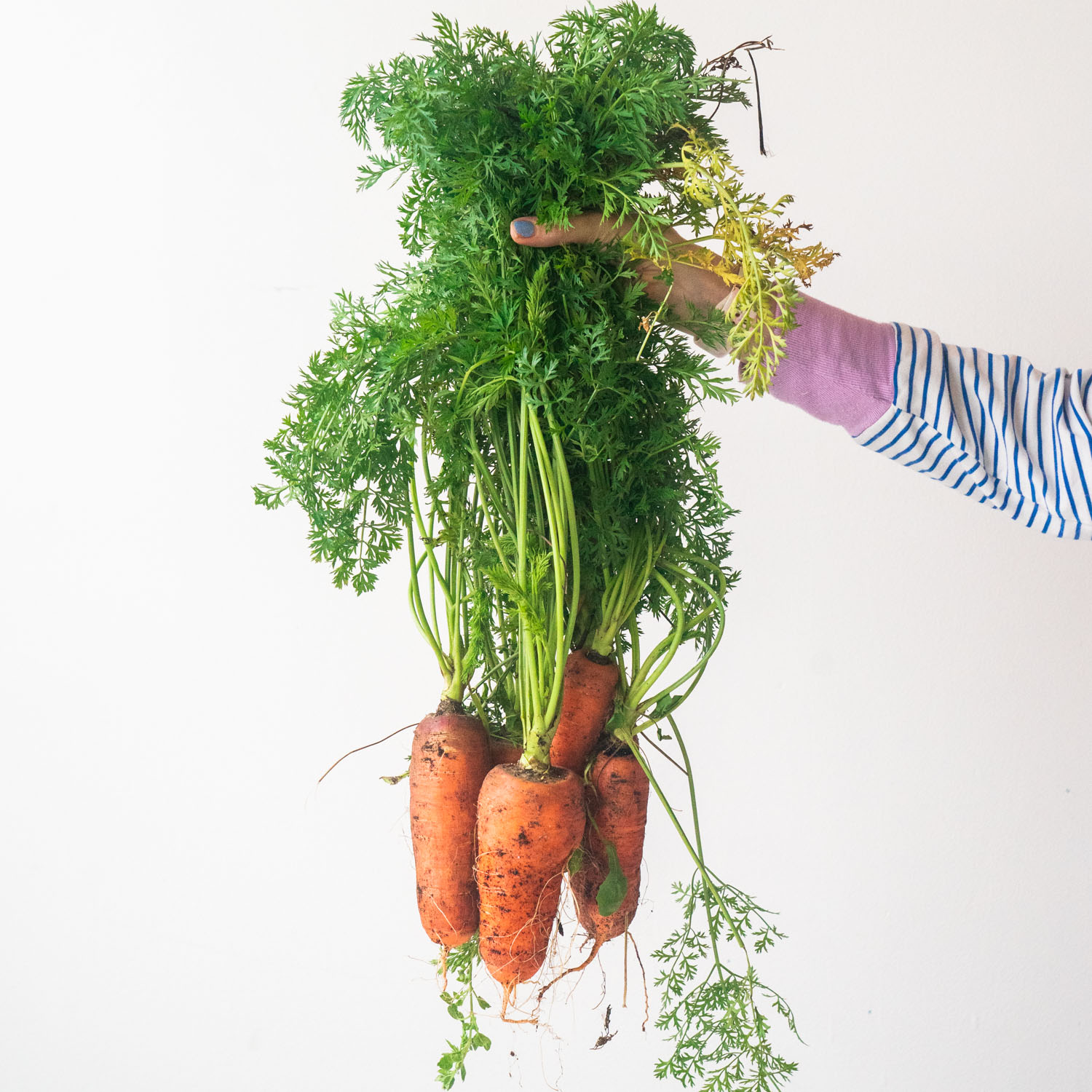
Sometimes, the most impressive garden yields come as a complete shock. Imagine this: after a few months of necessary garden neglect due to life's busy moments, you step back into your vegetable patch, expecting weeds and perhaps some overgrown greens. Instead, you're greeted by a sight that makes you do a double-take – massive, vibrant orange carrots peeking out of the soil, far larger than anything you'd intentionally cultivated. This was precisely the delightful surprise experienced by gardeners in an NYC garden, where unexpected giant carrots emerged from seemingly forgotten rows.
These aren't your average grocery store variety. When describing their size, the gardeners likened them to a circle formed by connecting your thumb and index finger, then extending those fingers even further – still not big enough to truly convey their impressive girth! It’s a powerful reminder that even with less-than-perfect attention, nature sometimes throws us incredible curveballs. While luck can certainly play a role, often these "surprise" giants are the result of a happy confluence of factors: perhaps a specific spot in the garden had exceptionally loose soil, or an unusually consistent rain pattern kept the ground perfectly moist, or maybe the specific variety simply had an inherent capacity for greatness that was finally unleashed. This serendipitous discovery highlights the potential lurking beneath the soil, waiting for the right conditions to manifest.
Strategic Cultivation: Your Blueprint for Big Carrots
While the thrill of an accidental giant is undeniable, most gardeners prefer a more reliable path to monumental roots. Cultivating truly massive carrots requires a blend of intentionality, understanding of plant needs, and consistent care. It's about optimizing every step of the growing process to encourage your carrots to reach their maximum genetic potential. Think of it as providing a luxurious spa treatment for your root vegetables! This strategic approach covers everything from preparing the ideal growing environment to selecting the right seeds and providing ongoing nourishment. If you’re serious about a massive harvest, delve deeper into
Grow Your Own Giant Carrots: Essential Tips for Massive Harvests.
The Right Foundations: Soil, Seeds, and Sowing Secrets
The journey to giant carrots begins long before the first sprout emerges. Success hinges on laying impeccable groundwork, focusing on seed selection, meticulous soil preparation, and precise sowing techniques.
Choosing Your Champions: Seed Selection
Not all carrot varieties are created equal when it comes to size. While any carrot can grow to a decent size with proper care, certain cultivars are specifically bred for exceptional length and girth. Look for varieties like
'Giant Szentesi',
'Imperator 58', or
'Bangor'. The gardeners who experienced their surprise harvest swear by
Hercules pelleted carrot seeds from Johnny's Seeds, noting their suitability for summer, fall, and winter planting, and their ability to thrive even in challenging soil types. These varieties have the genetic potential to reach impressive sizes, provided they are given the optimal growing conditions.
It’s crucial to source your seeds from a reputable supplier. This ensures that the seeds are viable and true to type. Avoid using seeds that are several years old, as their germination rate may be significantly reduced. Fresh seeds are your best bet for a successful start. For an exhaustive guide on picking the perfect genetic material, refer to
Unlock Giant Carrots: Seed Selection and Soil Secrets for Success.
The Unyielding Importance of Soil Preparation
Carrots demand loose, well-drained soil to thrive. Compacted soil is the enemy of long, straight roots. If your garden soil is heavy clay or rocky, it’s absolutely essential to amend it before planting.
Begin by digging deep – *at least 18 inches, but preferably 24 inches*. The deeper the better, as this allows the taproot to descend without impediment. Remove any rocks, stones, or other debris that could obstruct root growth. Rocks will cause your carrots to fork and become "funky shaped," preventing them from optimizing in size. Instead of growing long and straight, they’ll hit an obstacle and split or grow around it, resulting in stunted or misshapen roots.
Amend heavy clay soils with plenty of organic matter like compost, well-rotted manure, or even some coarse sand. This improves drainage and lightens the soil structure, creating the perfect environment for deep root penetration. For sandy soils, adding compost will improve water retention and nutrient availability. The goal is a rich, friable soil that offers no resistance to the developing carrot root.
Sowing for Success: Direct and Deliberate
Carrots are extremely sensitive to root disturbance, so
never transplant them. Always sow carrot seeds directly into your meticulously prepared garden bed.
Plant seeds about
1/2 inch deep and 1 inch apart. Carrot seeds are tiny, which can make precise spacing challenging. A common and highly effective strategy is to "overplant" your carrot seeds – sow them a bit thicker than desired. Once the green tops poke through the ground (which can sometimes take a bit of patience, so relax if they don't appear immediately!), you'll thin them out. Thinning is critical: once the seedlings are a couple of inches tall, thin them to be about 2-3 inches apart, depending on the variety. This provides ample space for each individual carrot to expand without competing for nutrients, water, or light. If the seeds are too small for you to handle comfortably, consider purchasing pelleted seeds, which are coated for easier handling, or mixing them with a bit of sand before sowing to aid distribution.
Nurturing Your Behemoths: Watering, Thinning, and Patience
Once your seeds are in the ground, the work isn't over. Consistent care is paramount to encourage the growth of those impressive, thick roots we're aiming for.
The Art of Watering
Water often and keep the soil consistently moist, especially during germination and the early growth stages. This prevents the soil from crusting over on top, which can hinder delicate seedlings from breaking through. In the beginning, be careful when watering to prevent washing away the tiny seeds. A gentle shower setting on your hose or a watering can with a fine rose attachment is ideal. As the carrots grow, consistent moisture ensures even root development and prevents splitting, which can occur if dry soil is suddenly deluged. Deep, infrequent watering once established encourages roots to grow deeper, chasing the moisture.
The Virtue of Patience
Carrots are not the fastest germinators, and it can sometimes feel like nothing is happening. Depending on soil temperature and moisture, germination can take anywhere from 7 to 21 days, or even longer. Don't be discouraged if you don't see green shoots immediately. Maintain consistent soil moisture and temperature, and they will eventually emerge. This waiting period is an excellent test of a gardener's patience!
Knowing When to Harvest Your Prize
After planting seeds, carrots typically take approximately 65-80 days until they are ready for harvest. For giant varieties, you might want to extend this slightly, but be mindful of the risk of them becoming woody or splitting. A good indicator that your carrots are ready is when the tops start to pop out of the soil, teasing their vibrant orange color. Depending on the variety, the top of the carrots should be about 1-2 inches in diameter, or even larger if you’re growing some truly monumental specimens. Don't hesitate to pull one or two test carrots to gauge their size and taste before committing to a full harvest.
Conclusion
Whether you stumble upon them by happy accident or meticulously plan every step of their cultivation, growing giant carrots is an incredibly rewarding experience. It connects us to the cycles of nature, teaches us patience, and culminates in a harvest that is not only delicious but often a conversation starter. From the unexpected discovery of how *we grew giant carrots* through neglect to the strategic implementation of ideal soil, careful seed selection, and consistent care, the path to massive roots is a journey of learning and satisfaction. So, prepare your soil, choose your champions, and embrace the process – your own colossal carrots await!