Unlock Giant Carrots: Seed Selection and Soil Secrets for Success
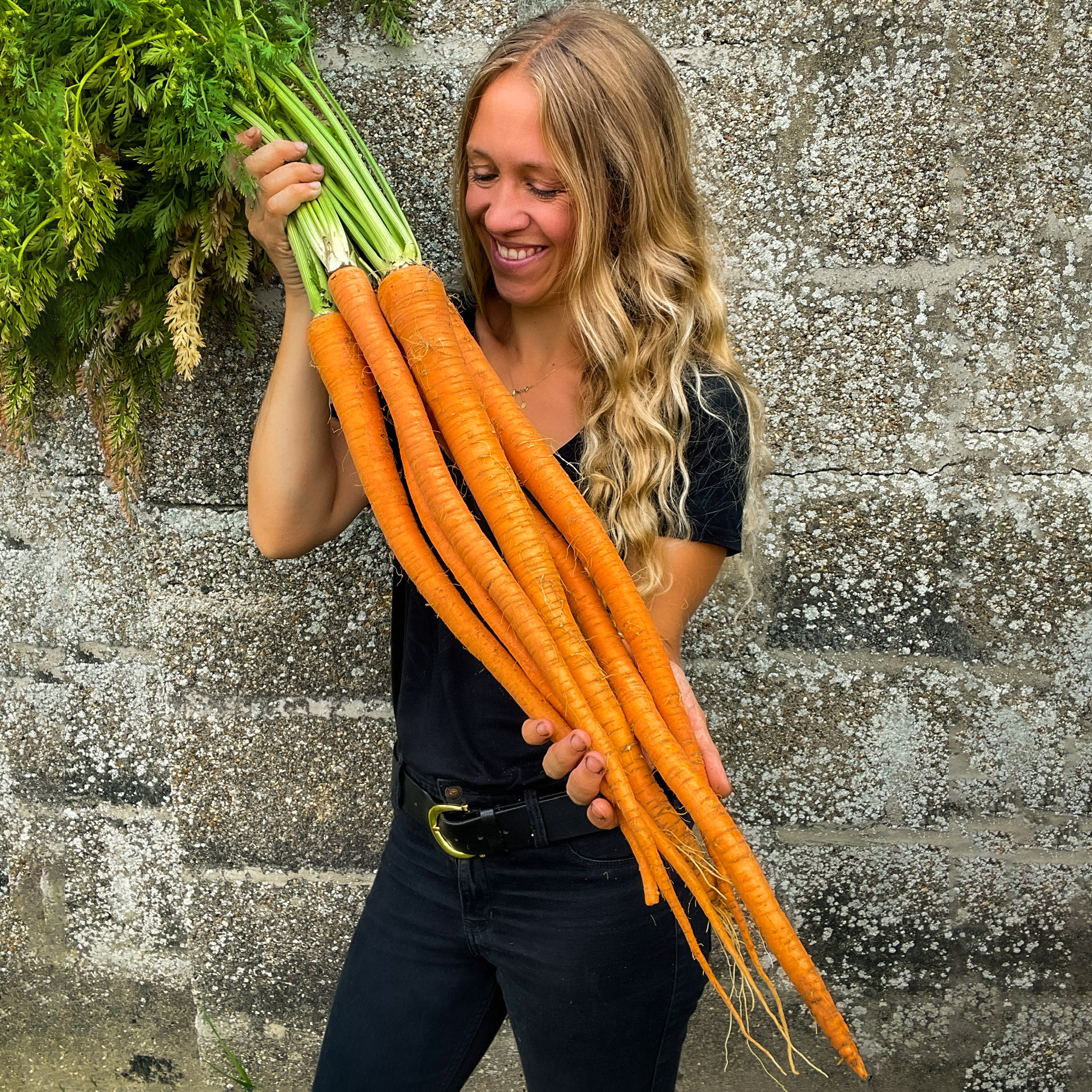
The allure of the garden often stems from the promise of the extraordinary – the unusually vibrant blooms, the unexpectedly sweet fruit, and, yes, the unbelievably large vegetables. Among these, the giant carrot reigns supreme, a testament to a gardener’s skill, patience, and often, a touch of delightful surprise. Imagine the thrill of discovering massive, vibrant orange roots poking out of the soil – much like the unexpected bounty one gardener experienced in their NYC garden, where
we grew giant carrots that surprised even us with their colossal size! This guide will walk you through the precise steps, from choosing the right seeds to perfecting your soil, ensuring you have the best chance of cultivating your own impressive, record-breaking carrots. Growing these behemoths isn’t just about bragging rights; it’s about connecting with the soil, understanding the nuances of plant life, and experiencing the unique satisfaction of nurturing something truly remarkable from seed to showstopper.
The Foundation of Giants: Selecting the Right Carrot Seeds
The journey to growing colossal carrots begins long before you break ground – it starts with selecting the right seeds. Not all carrot varieties are created equal when it comes to potential size. While any carrot can grow to a decent size with proper care, certain cultivars are specifically bred and developed for their exceptional length and girth. To truly say
we grew giant carrots, you need to arm yourself with seeds that have the genetic blueprint for greatness.
Look for varieties known for their impressive dimensions. ‘Giant Szentesi’, ‘Imperator 58’, and ‘Bangor’ are excellent choices often recommended for their potential to reach significant sizes. Another fantastic option, favored by many seasoned gardeners, are ‘Hercules’ pelleted carrot seeds. These varieties possess the inherent genetic potential to stretch deep and wide, provided they are given optimal growing conditions.
It’s crucial to source your seeds from a reputable supplier. This ensures that the seeds are viable and true to type, meaning what you plant is what you expect to harvest. Avoid using seeds that are several years old, as their germination rate may be significantly reduced, leading to disappointing results. Fresh seeds are your best bet for a successful start. For those who find the tiny nature of carrot seeds challenging to handle, pelleted seeds, where each seed is encased in a clay coating, offer a convenient solution, making spacing easier during planting. This small choice can make a big difference in ensuring a successful initial planting phase for your giant carrot ambitions.
Perfecting the Ground: Soil Secrets for Super-Sized Carrots
Carrots, especially those destined for the record books, demand loose, well-drained soil to thrive. Compacted soil is the absolute enemy of long, straight roots, forcing them to fork or become stunted. If your dream is to boast "
we grew giant carrots," then preparing their underground home is paramount.
Begin by digging deep – at least 18 inches, but preferably 24 inches or more. This isn't just about depth; it's about aeration. As you dig, tirelessly remove any rocks, stones, roots, or other debris that could obstruct your carrots' downward growth. Even a small pebble can cause a carrot to split or develop an odd, gnarled shape, robbing it of its potential for size. This meticulous clearing creates an unhindered pathway for the taproot to delve deep and expand.
Once cleared, focus on amending your soil. If your garden soil is heavy clay, it's essential to improve its structure. Incorporate generous amounts of organic matter such as well-rotted compost, aged manure, or peat moss. These additions dramatically improve drainage, lighten the soil texture, and provide a slow-release source of nutrients. For sandy soils, organic matter helps improve water retention and nutrient availability. The ideal soil for giant carrots is a rich, loamy mix that is consistently moist but never waterlogged.
Beyond texture, consider pH. Carrots generally prefer a slightly acidic to neutral pH, ideally between 6.0 and 6.8. A soil test can provide precise information about your garden's pH and nutrient levels, allowing you to make targeted adjustments for optimal carrot growth. Remember, a carrot's size and shape are a direct reflection of the soil it grows in – give it a perfect environment, and it will reward you with impressive roots. For more detailed strategies on soil preparation, you might find valuable insights in
From Surprise to Strategy: Growing Giant Carrots in Your Garden.
Planting and Nurturing: Guiding Your Carrots to Gigantic Proportions
With your seeds selected and soil prepared, the next critical steps involve precise planting and consistent care. Carrots are notoriously sensitive to transplanting due to their delicate taproot, which is why direct sowing is non-negotiable for achieving giant specimens. To ensure
we grew giant carrots, we start them in their permanent home.
Plant your seeds 1/2 inch deep and about 1 inch apart. While this might seem close, it allows for good germination rates. The real trick to growing big carrots lies in diligent thinning. As soon as the delicate green tops poke through the ground, it's time for the first thinning. Gently remove weaker seedlings, aiming for about 2-3 inches of space between the remaining plants, depending on the variety you're growing. This crucial step reduces competition for light, water, and nutrients, giving each remaining carrot the space it needs to swell.
Patience is a virtue when it comes to carrot germination; they can sometimes take a bit longer to sprout than other vegetables. Don't despair if you don't see immediate signs of life. Consistent moisture is key during this period. Water often and keep the soil consistently moist, but be careful in the beginning to prevent washing away the tiny seeds. A fine spray or drip irrigation is ideal. Once established, consistent watering prevents the soil from crusting over on top and helps prevent the carrots from splitting as they grow.
While carrots are not heavy feeders, a balanced approach to nutrients is beneficial. Avoid excessive nitrogen, which promotes lush leafy growth at the expense of root development. Instead, focus on providing adequate phosphorus and potassium. Keep the bed free of weeds, as they compete directly with your growing carrots for vital resources. Gentle weeding is essential to avoid disturbing the carrot roots. For additional insights on maximizing your harvest, explore
Grow Your Own Giant Carrots: Essential Tips for Massive Harvests.
Harvest Time: Knowing When Your Giants Are Ready
The final, incredibly rewarding stage of your giant carrot journey is the harvest. After planting seeds, carrots typically take approximately 65-80 days until they are ready to be pulled from the earth. However, for those aiming for truly colossal roots, patience often yields the biggest rewards.
The most reliable indicator that your giant carrots are ready to pick is when their vibrant orange tops begin to pop out of the soil, teasing you with a glimpse of the treasure below. Depending on the variety and your personal definition of "giant," the exposed top of the carrot should be about 1-2 inches in diameter, or even larger if you've successfully cultivated a true behemoth. Don't be afraid to gently brush away a little soil around the base of an impressive-looking carrot to gauge its size.
When it's time to harvest, be gentle. Instead of just pulling, which can snap the root, use a garden fork to carefully loosen the soil around the carrot before slowly wiggling and pulling it free. This technique minimizes the risk of breaking or damaging your prize-winning root, ensuring that you can proudly say, "
we grew giant carrots, and here's the proof!" Once harvested, twist off the greens immediately to prevent them from drawing moisture and nutrients from the root, which helps keep your carrots fresh and crisp for longer. Store your magnificent harvest in a cool, dark place, and prepare to enjoy the fruits (or rather, roots!) of your labor.
Conclusion
Growing giant carrots is a deeply satisfying endeavor, transforming your garden into a place of wonder and abundance. While sometimes a surprise, as when
we grew giant carrots unexpectedly in a city garden, more often it's the result of strategic planning, meticulous soil preparation, careful seed selection, and consistent nurturing. By choosing the right varieties, creating the perfect deep and loose soil environment, direct sowing and thinning diligently, and providing consistent moisture, you set the stage for extraordinary growth. The journey from a tiny seed to a massive root is a testament to nature's power and your dedication as a gardener. So, roll up your sleeves, get your hands dirty, and prepare to unlock the secrets to cultivating your very own show-stopping, giant carrots!